“Per Mariam ad Jesum” — Through Mary to Jesus
The largest apostolic organisation of lay people in the Catholic Church began with fifteen women, a priest, and a man of extraordinary faith — gathered around a statue of Our Lady in a modest Dublin meeting room.
On 7 September 1921, at Myra House on Francis Street, Dublin, the Servant of God Frank Duff convened the first meeting of what would become the Legion of Mary. Alongside Father Michael Toher as spiritual director, they placed a statue of the Immaculate Conception of the Miraculous Medal type at the centre of the room — a practice that continues in every Legion meeting to this day.
The group’s first apostolate was visiting women suffering from illness in Dublin hospitals. Soon after, the Legion became active among the city’s most marginalised, including the women of the Monto district, helping them escape desperate circumstances and begin new lives. This radical spirit of mercy set the tone for everything that followed.
“The true legionary, like the true disciple of Christ, is one who is prepared to give all, do all, and suffer all for the souls of men.”
— Frank Duff, Founder
Frank Duff modelled the organisation on the ancient Roman legions — adopting their terminology and discipline but directing it entirely toward spiritual works and acts of mercy. He drew deeply from the writings of St. Louis-Marie de Montfort, particularly True Devotion to Mary, which became the spiritual engine of the entire movement. Within decades, dedicated Legion envoys carried this flame to every continent on earth.
The Legion’s primary objective is “the glory of God through the holiness of its members, developed by prayer and active co-operation in Mary’s and the Church’s work.”
Every legionary undertakes weekly apostolic work structured around three pillars — the “Three C’s” that define the Legion’s practical mission in the world.
Evangelisation through door-to-door visitation, street apostolate, distributing Catholic literature, and missionary initiatives such as Peregrinatio Pro Christo. Legionaries reach out to those who do not yet know Christ, always with charity and respect.
Strengthening the faith of Catholics through home visitation, encouraging participation in the sacraments, supporting RCIA and catechesis, and welcoming new parishioners and families of the newly baptised back into the life of the Church.
Visiting the sick in hospitals and nursing homes, bringing comfort to the lonely and housebound, supporting those in prison, and accompanying the grieving. Legionaries bring the tender mercy of Christ to those who suffer.
The Standard of the Legion
The Vexillum Legionis is the standard of the Legion of Mary, adapted from the vexillum of the ancient Roman legions. It is present at every Legion meeting and leads processions — a visible sign that legionaries serve under Mary’s command, as soldiers of Christ in the spiritual battle for souls.
Where the Roman imperial eagle once stood as a symbol of earthly power, the Vexillum bears the Dove of the Holy Spirit — divine strength working through gentleness and love. Pope Pius XI himself called it “that beautiful standard of the Legion of Mary.”
The Legion of Mary is organised along a hierarchical structure inspired by the Roman military system. Each level has officers — President, Vice-President, Secretary, Treasurer, and a Spiritual Director (usually a priest).
Supreme governing body — Dublin, Ireland
National or major regional council
Province, state, or metropolitan area
City or part of a diocese
Deanery or group of parishes
The parish-level unit — where all the work begins
Attend a weekly praesidium meeting and perform approximately two hours of apostolic work each week. They recite the daily Tessera prayers and are the backbone of the Legion’s mission.
A higher grade of active membership. In addition to active duties, they pray the Rosary daily, recite the Divine Office, and attend Holy Mass every day.
Support the Legion through daily prayer, reciting the full Tessera each day. They are the prayer warriors whose intercession sustains every active legionary in the field.
A higher grade of auxiliary membership, committed to daily Mass, Holy Communion, and the recitation of an approved Office of the Church.
The central prayer of the Legion. Every meeting includes the Rosary, and every legionary prays it daily — following St. Louis-Marie de Montfort’s teaching that it is one of the Church’s greatest spiritual treasures.
At the very first meeting in 1921, a statue of the Miraculous Medal type was placed at the centre. The Medal remains central to the Legion’s identity and its apostolate of distributing sacramentals.
The entire spirituality of the Legion is rooted in St. Louis-Marie de Montfort’s masterwork — a total consecration to Jesus through Mary. Frank Duff called it the spiritual engine of the movement.
The “Chain of the Legion” — prayed midway through every meeting and daily by every legionary. It includes the Magnificat and unites all legionaries across the world in prayer.
The Legion’s prayer card — from the Latin for a token shared among friends. It contains the daily prayers that bond all legionaries together: invocations, the Rosary, and the Catena.
After a probationary period, active members make the Legionary Promise — a solemn commitment to faithful membership, entrusting their service to the Immaculate Virgin Mary.
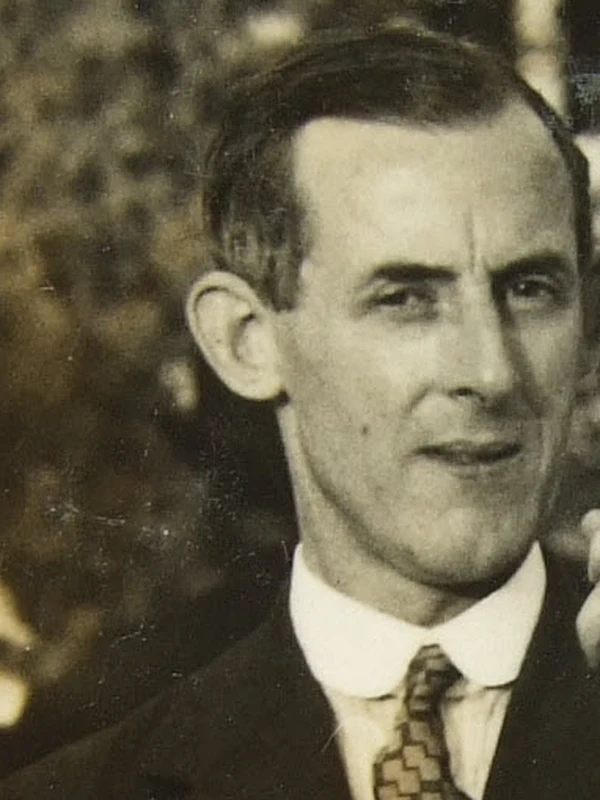
1889 – 1980 • Founder
Born in Dublin, Frank Duff founded the Legion after years of charitable work with the St. Vincent de Paul Society. His vision of empowering the laity anticipated the Second Vatican Council by decades. His cause for canonisation was introduced in 1996.
Read Full Biography →
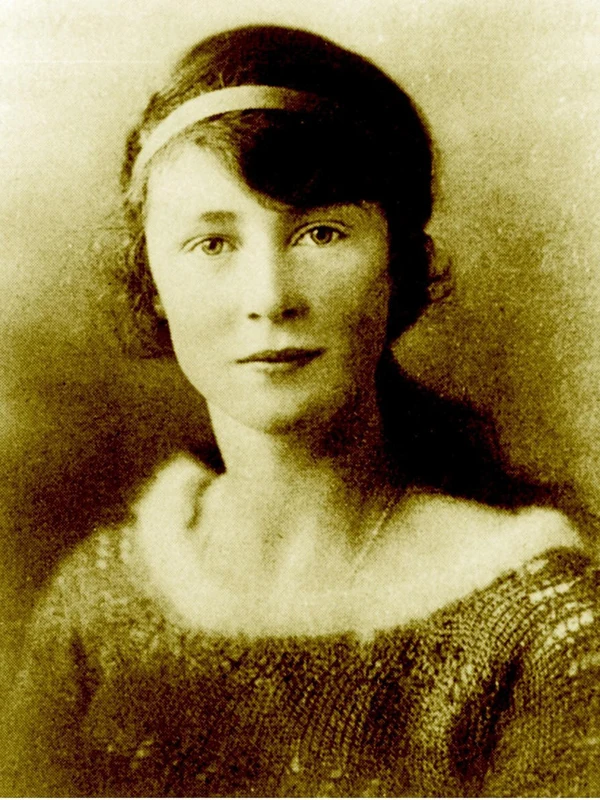
1907 – 1944 • Envoy to East Africa
Despite suffering from tuberculosis, Edel Quinn spent seven heroic years establishing hundreds of Legion branches across Kenya, Tanzania, Uganda, Malawi, and Mauritius. She died in Nairobi at just 36. Declared Venerable in 1994.
Read Full Biography →
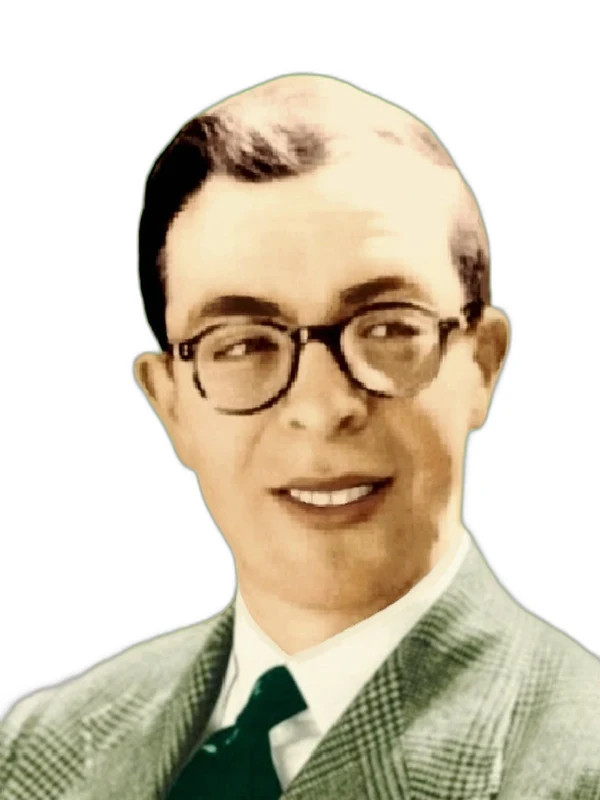
1932 – 1959 • Envoy to South America
Gifted with a magnetic personality and remarkable language ability, Alfie Lambe evangelised five South American nations in just six years. He died in Buenos Aires at the age of 26. His cause for beatification was introduced in 1978.
Read Full Biography →The Official Handbook of the Legion of Mary is far more than a rule book — it is a comprehensive spiritual guide, a manual of apostolate, and a treasury of Marian theology. It draws upon Sacred Scripture, the Church Fathers, papal documents, and the writings of St. Louis-Marie de Montfort.
“Without the Handbook, it would be very difficult for members to know what is expected of them. Dedicated legionaries who study and know the Handbook develop an authentic apostolic and contemplative spirit.”
“The true legionary is one who dares greatly for God, and who at the end has nothing left but God.”